


Fashion Design Course in Kolkata: Eligibility, Skills, Fees Structure & Career Scope
Fashion is not only about clothes, colours and trends. Behind every well-designed outfit is a combination of creativity, technical knowledge, fabric understanding, garment construction and an awareness of what people actually want to wear.
If you have a creative mindset and enjoy sketching, styling, fabrics or experimenting with new designs, a Fashion Design Course in Kolkata can help you turn that interest into a professional career.
At SBIHM, the Fashion Technology programme combines creative design education with practical knowledge of textiles, garment construction, computer-aided design, fashion merchandising and apparel production. The programme is designed to help students understand how a fashion idea moves from an initial concept to a finished product.
Why Choose a Fashion Design Course in Kolkata?
Kolkata has a strong connection with traditional textiles, handicrafts, contemporary fashion and the creative industries. For students interested in fashion, the city provides opportunities to learn about both traditional Indian design and modern fashion practices.
A good fashion course should not focus only on drawing fashion sketches. Students also need to understand fabrics, patterns, stitching, garment construction, production and the business side of fashion.
This is where Fashion Technology becomes useful. At SBIHM, students are introduced to areas such as textile design, fashion illustration, pattern making, garment construction, CAD, fashion marketing, merchandising and apparel production.
Fashion Technology vs Fashion Design: What Is the Difference?
Fashion Design generally focuses on the creative side of developing clothing and accessories. It involves ideas, sketches, colours, silhouettes, fabrics and styling.
Fashion Technology takes a broader approach. Along with design, students learn how garments are technically developed and produced. This includes textiles, pattern making, sewing, draping, grading, garment machinery, production, quality control and computer-aided design.
For example, creating a beautiful dress starts with an idea and sketch. But turning that idea into a wearable product requires knowledge of fabric selection, measurements, patterns, stitching, fitting and production. A Fashion Technology programme helps students understand this complete process.
Fashion Design Course at SBIHM
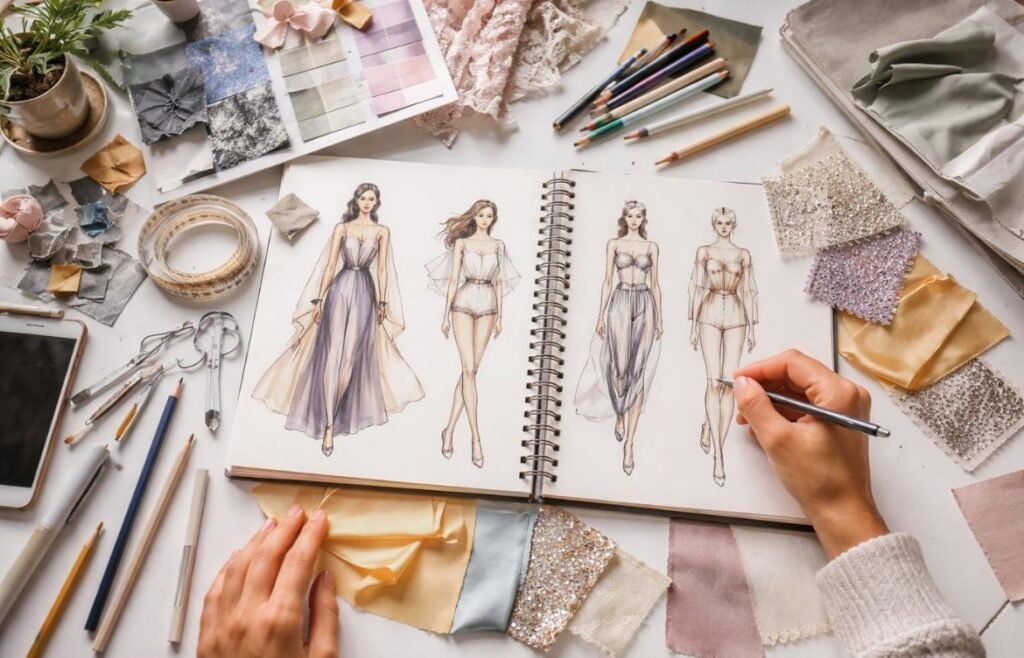
SBIHM offers a Bachelor in Fashion Technology designed for students who want to build a career in the fashion and apparel industry.
The programme has a duration of 3 years, and students who have passed or are appearing for their 10+2 examination from a recognised Central or State Government board can apply. SBIHM also states that the programme includes six months of industrial training in corporate fashion sectors.
Key Highlights of the Programme
- Bachelor in Fashion Technology
- 3-year programme
- Eligibility after 10+2
- Students from different academic streams can apply
- Practical learning and industry exposure
- Six-month industrial training
- Fashion illustration and design
- Textile and material studies
- Pattern making and garment construction
- Computer-Aided Design (CAD)
- Fashion marketing and merchandising
- Apparel production and quality
- Fashion communication
The programme is designed to give students both creative confidence and practical skills required in the fashion industry.
Fashion Design Course Eligibility in Kolkata
One of the first questions students ask is, “Can I study fashion design after Class 12?”
Yes. For the Bachelor in Fashion Technology at SBIHM, candidates should have passed or appeared for their 10+2 examination from a recognised Central or State Government board. SBIHM’s admission information also states that undergraduate applicants should meet its current marks requirement.
Students from different academic backgrounds can explore fashion education. You do not necessarily need to come from an art or fashion background to start learning fashion design.
What matters most is an interest in the field, willingness to learn and the ability to develop creative and technical skills.
What Skills Do You Learn in a Fashion Design Course?
A professional fashion course should help you develop more than just drawing skills.
At SBIHM, students study subjects covering the creative, technical and commercial aspects of fashion.
1. Fashion Illustration
Students learn how to communicate their design ideas through fashion sketches and illustrations. This is an important skill when presenting a collection or explaining an idea to a team.
2. Textile Knowledge
Understanding fabrics is essential for a fashion professional. Students learn about textiles, textile design, textile crafts, fabric manufacturing, dyeing and printing.
3. Pattern Making
A design on paper has to be converted into an accurate pattern before it can become a garment. Pattern making helps students understand measurements, shapes and garment construction.
4. Garment Construction
Students learn practical aspects of making garments, including basic sewing, garment machinery, draping and construction techniques.
5. Computer-Aided Design
Technology has become an important part of modern fashion. CAD skills can help designers create and develop designs digitally and work more efficiently.
6. Fashion Marketing and Merchandising
Design is only one part of the fashion business. Students also need to understand customers, merchandising, retailing and marketing.
7. Fashion Communication
Fashion professionals regularly communicate with designers, manufacturers, retailers, buyers and customers. Learning how to present and communicate fashion concepts is therefore valuable.
8. Production and Quality
Students also learn about apparel production and quality, helping them understand how garments are manufactured and maintained to professional standards.
Fashion Design Course Fees in Kolkata
Fashion design course fees in Kolkata can vary depending on the institute, programme duration, facilities, practical training, curriculum and industry exposure.
For SBIHM’s Bachelor in Fashion Technology, the latest course page does not publish a fixed fee amount online and asks prospective students to contact the institute for the current fee structure.
This is important because students should always confirm the latest tuition fees, admission charges, examination fees and any other applicable costs directly with the institute before taking admission.
What Should You Check Before Comparing Fees?
Instead of choosing a course only because it has a lower fee, compare:
- Course duration
- Curriculum and subjects
- Practical training
- CAD and technology exposure
- Industrial training
- Faculty experience
- Industry exposure
- Placement or career support
- Infrastructure and learning facilities
- Overall career value
A course that gives you strong practical exposure can be more valuable than one that focuses mainly on classroom theory.
Industrial Training and Practical Exposure
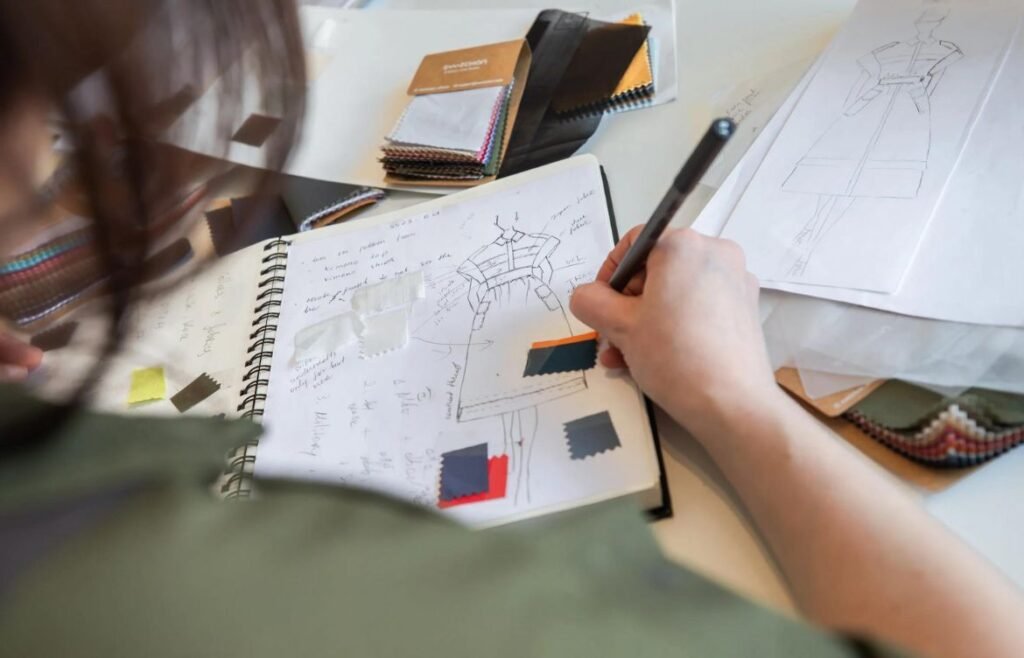
Fashion is a practical profession. Students need to understand how the industry actually works, not just study its concepts in a classroom.
SBIHM includes a six-month industrial training period in its Bachelor in Fashion Technology programme. The institute highlights practical exposure across fashion houses, textile industries and design-related environments.
This type of exposure can help students understand professional workflows, production requirements, quality standards and workplace expectations.
It can also help students understand which area of fashion they enjoy most before starting their professional career.
Career Scope After Fashion Design Course
Fashion is a broad industry, and a fashion graduate does not have to become a fashion designer only.
After completing a Fashion Technology or Fashion Design programme, students can explore different career paths depending on their interests and skills.
Fashion Designer
Fashion designers develop clothing and accessory concepts and work on collections, designs and product development.
Assistant Fashion Designer
Fresh graduates can begin their careers as assistant designers, supporting senior designers with research, sketches, samples and collection development.
Fashion Illustrator
Fashion illustrators create visual representations of fashion ideas and collections.
Pattern Maker
Pattern makers convert design concepts into patterns that can be used to construct garments accurately.
CAD Operator
Students with good computer-aided design skills can explore opportunities as CAD operators in fashion and apparel companies.
Fashion Merchandiser
Fashion merchandisers connect the creative and commercial sides of the industry. They may work with product planning, buying, retail and customer trends.
Fashion Coordinator
Fashion coordinators can work on fashion events, collections, shoots and other activities that require coordination between different teams.
Trend Researcher
Trend researchers study consumer behaviour, colours, styles and emerging fashion trends to help brands plan future collections.
Product Developer
Product developers work on taking fashion products from an initial concept towards a production-ready product.
Quality Controller
Quality professionals monitor garments and production processes to ensure that products meet required standards.
Fashion Consultant
Fashion consultants provide advice related to clothing, styling, fashion choices and brand requirements.
SBIHM lists several of these career opportunities, including fashion designer, fashion graphic designer, assistant designer, product manager, trend researcher, fashion consultant, pattern maker, CAD operator, quality controller and product developer.
Is Fashion Design a Good Career Choice?
Fashion can be a rewarding career for students who enjoy creativity but are also willing to work on the technical side of the industry.
It is important to understand that fashion is not simply about following trends. Successful professionals need creativity, patience, technical knowledge, communication skills and an understanding of customers.
Your portfolio can also become an important part of your career journey. The projects you create during your course can demonstrate your ability to develop an idea, solve design problems and create finished products.
With experience, a fashion professional can work with brands, apparel manufacturers, export houses, retail companies, design studios or even develop an independent fashion business.
Why Choose SBIHM for Fashion Technology?
SBIHM’s Fashion Technology programme brings together creative learning and practical fashion education. Students get exposure to design, textiles, garment construction, CAD, fashion communication, merchandising and apparel production.
The six-month industrial training component is another important part of the programme, giving students an opportunity to gain practical industry exposure before completing their studies.
For students looking for a fashion course in Kolkata after 12th, SBIHM can be considered as an option for building a foundation in fashion technology and developing the skills needed for the apparel industry.
Frequently Asked Questions
1. What is the eligibility for a Fashion Design Course at SBIHM?
For the Bachelor in Fashion Technology, candidates should have passed or appeared for their 10+2 examination from a recognised Central or State Government board. Students should check the latest admission requirements with SBIHM before applying.
2. How long is the Fashion Technology course at SBIHM?
The Bachelor in Fashion Technology at SBIHM is a 3-year programme. It also includes a six-month industrial training component in corporate fashion sectors.
3. What is the fee structure for the Fashion Design course?
The current SBIHM course page does not display a fixed fee amount and advises students to contact the institute for course fees. Students should confirm the latest tuition and other applicable charges directly with SBIHM.
4. What career options are available after a Fashion Technology course?
Graduates can explore careers such as fashion designer, assistant designer, fashion illustrator, pattern maker, CAD operator, fashion merchandiser, trend researcher, fashion coordinator, product developer and quality controller.
5. Do I need previous fashion or drawing experience to study Fashion Design?
Previous professional experience is not required. The programme includes foundation-level subjects such as elements of design, fashion model drawing, fashion illustration, textile studies, pattern making and garment construction, allowing students to develop their skills during the course.
Start Your Fashion Career with the Right Training
If fashion is more than just a hobby for you, the right education can help turn your creative ideas into practical skills.
A Fashion Design Course in Kolkata can introduce you to design, textiles, garment construction, CAD, merchandising and the business side of fashion. With practical training and industry exposure, students can build a stronger foundation for entering this competitive field.
If you are looking for a structured Fashion Technology course after 12th in Kolkata, explore the programme at SBIHM and speak with the admission team about the latest eligibility requirements, fees, admission process and career opportunities.